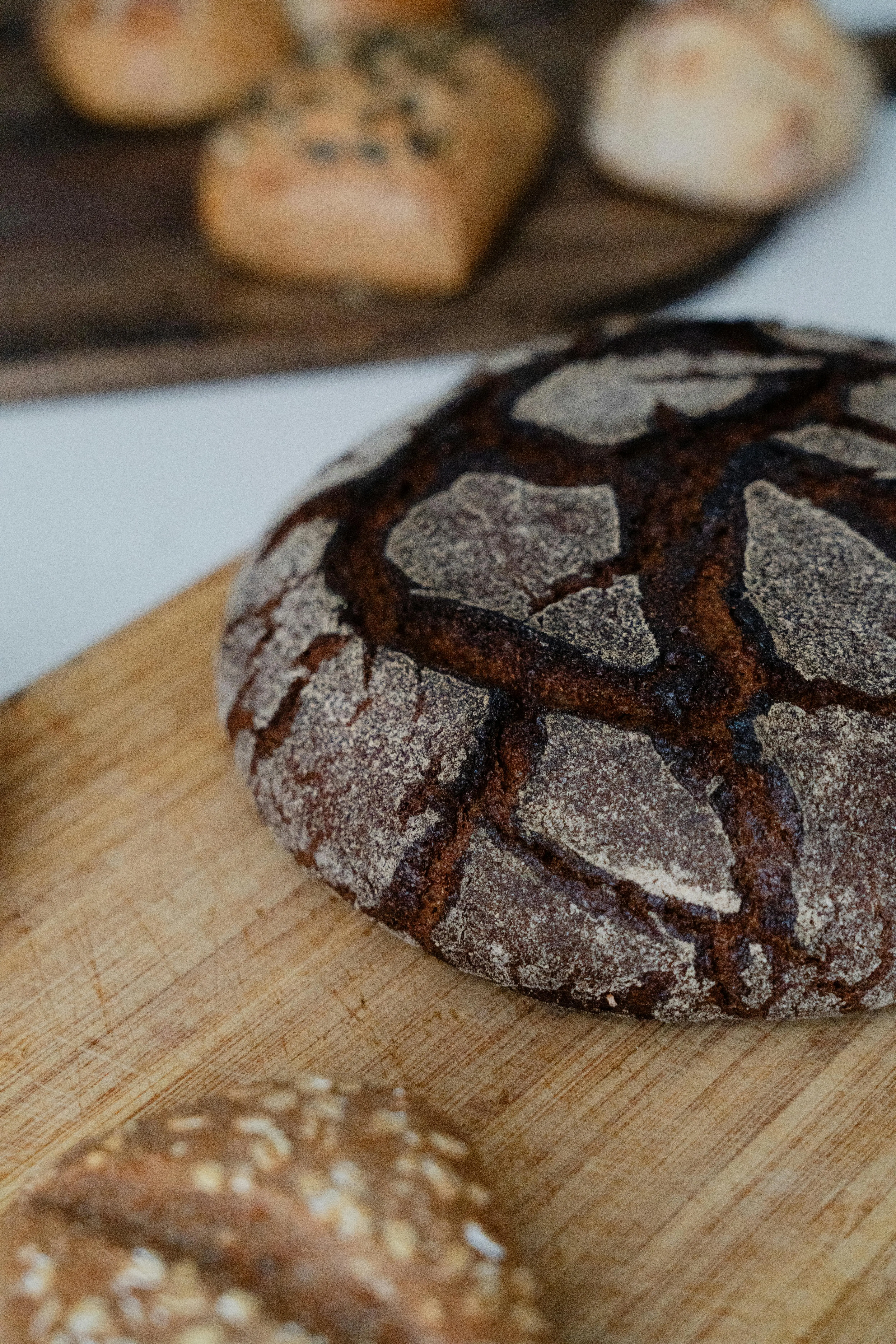
It sounds too simple to be true: Thorough chewing could be the key to a longer, healthier life. What Dr. Franz Xaver Mayr preached 150 years ago is now confirmed by modern longevity research. Dr. Georg Stossier, medical director of the BLEIB BERG F.X. Mayr Retreats, explains: The revolution is not in expensive supplements or complicated diet plans – but in the way we chew.
"We are changing the lives of our patients, one by one," says Stossier at the beginning of his lecture. The doctor would "never trade his job for anything else" – for good reason: The successes of the Mayr therapy are measurable and sustainable.
The forgotten art of chewing
"Nutrition is not just what we eat – but more importantly, how we eat it," Stossier explains the central principle of Mayr medicine. The quality of the food and its gentle preparation are important, but without thorough chewing, even the best superfood remains largely undigested.
Stossier demonstrates the consequences of insufficient chewing with an astonishing example: "If we chew a food well, we can extract the one vitamin from the salad even at McDonald's. On the other hand, I can misdigest a superfood if it's not prepared correctly in the digestive tract – and then even a healthy meal will cause me problems."
His core message derived from this is radically simple: "You can eat whatever you want – the main thing is to chew well." This brings "huge relief," given the flood of contradictory dietary forms from ketogenic to low carb to vegan.
Dr. Georg Stossier: "If you take anything with you that benefits you longevity-wise today without any subscription, then please: chew. Well chewed is half digested. You don't need a subscription, it doesn't matter what you eat, whether you're sitting at a Mexican or a Chinese restaurant. Chewing is the be-all and end-all."
When the gut becomes a brewery
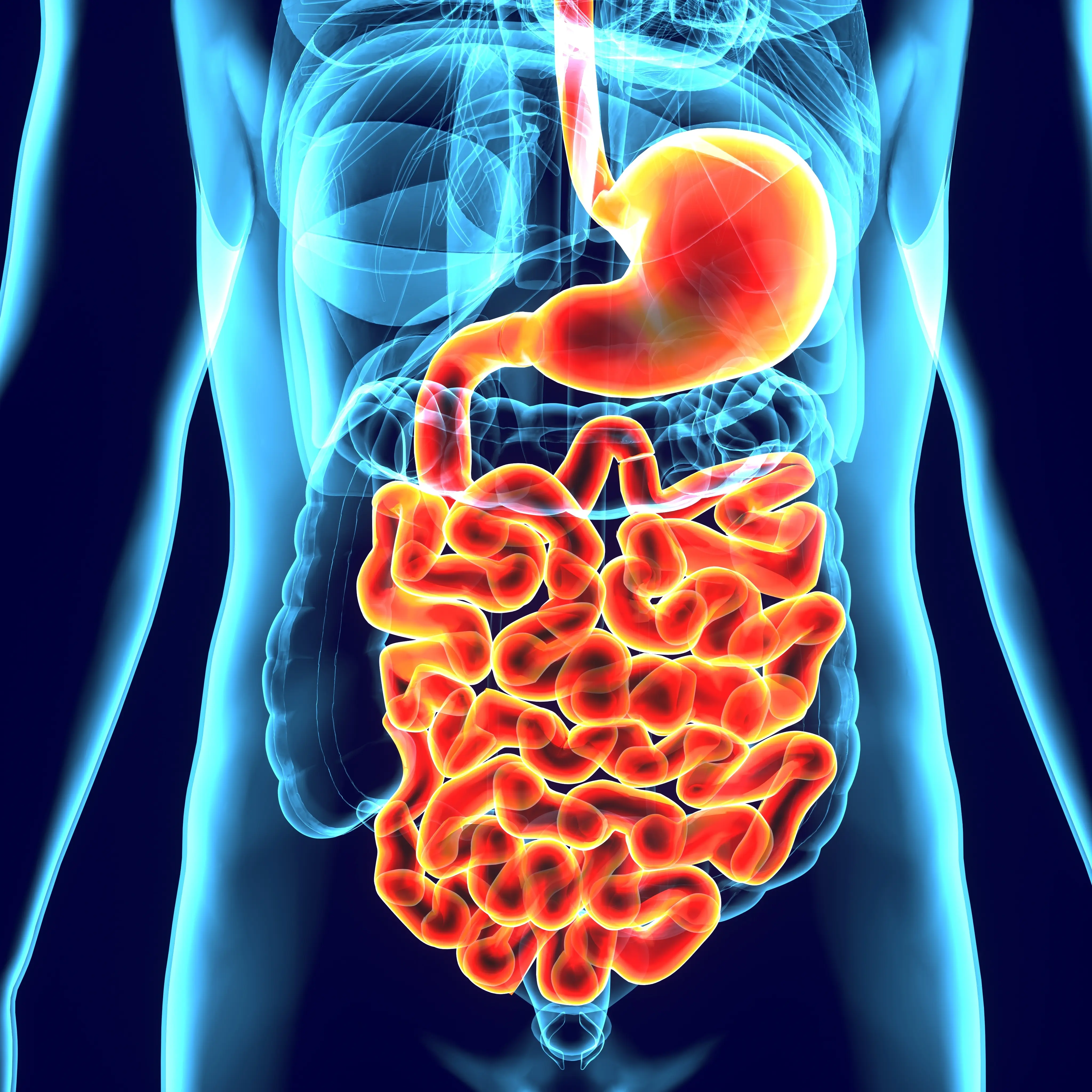
What happens in the digestive tract when chewing is insufficient, Stossier describes using the example of the so-called auto-brewery syndrome—a medical phenomenon documented in the literature: "Patients came to the emergency room with nearly three per mille and swore they hadn't drunk a drop of alcohol." In fact, they reached these alcohol levels by consuming a lot of fruit and easily fermentable carbohydrates in combination with a yeast fungus.
_1500x2250_150_RGB-2.webp)