Psychedelics in Therapy: New Hope for Depression
Psychedelics, at first, sounds like something from the Sixties. Like Love, Peace, and Happy Hippies. When the who's who of pop culture, from music to painting, sought creativity and mystical experiences in altered states of consciousness through LSD or magic mushrooms.
According to today's knowledge, at least as far as the enhancement of creativity is concerned, this was rather overrated. Those who are not creative will not become creative through psychoactive substances. However, they are interesting from a medical perspective. There have been studies on this since the 1950s, after Swiss chemist and LSD discoverer Albert Hofmann was able to isolate psilocybin from the magic mushrooms in the late 1930s.
However, the studies were not methodologically sufficient and were difficult to interpret. Then the research came to a standstill because during the Nixon era psychedelics were first banned as drugs in the USA and then in Europe.
The renaissance of psychedelic research
But now a kind of comeback is emerging. New seekers of meaning and creativity, now from Silicon Valley, and recent Netflix documentaries like Change Your Mind, Magic Medicine, or Goop Lab have brought psychedelics back into public awareness in recent years.
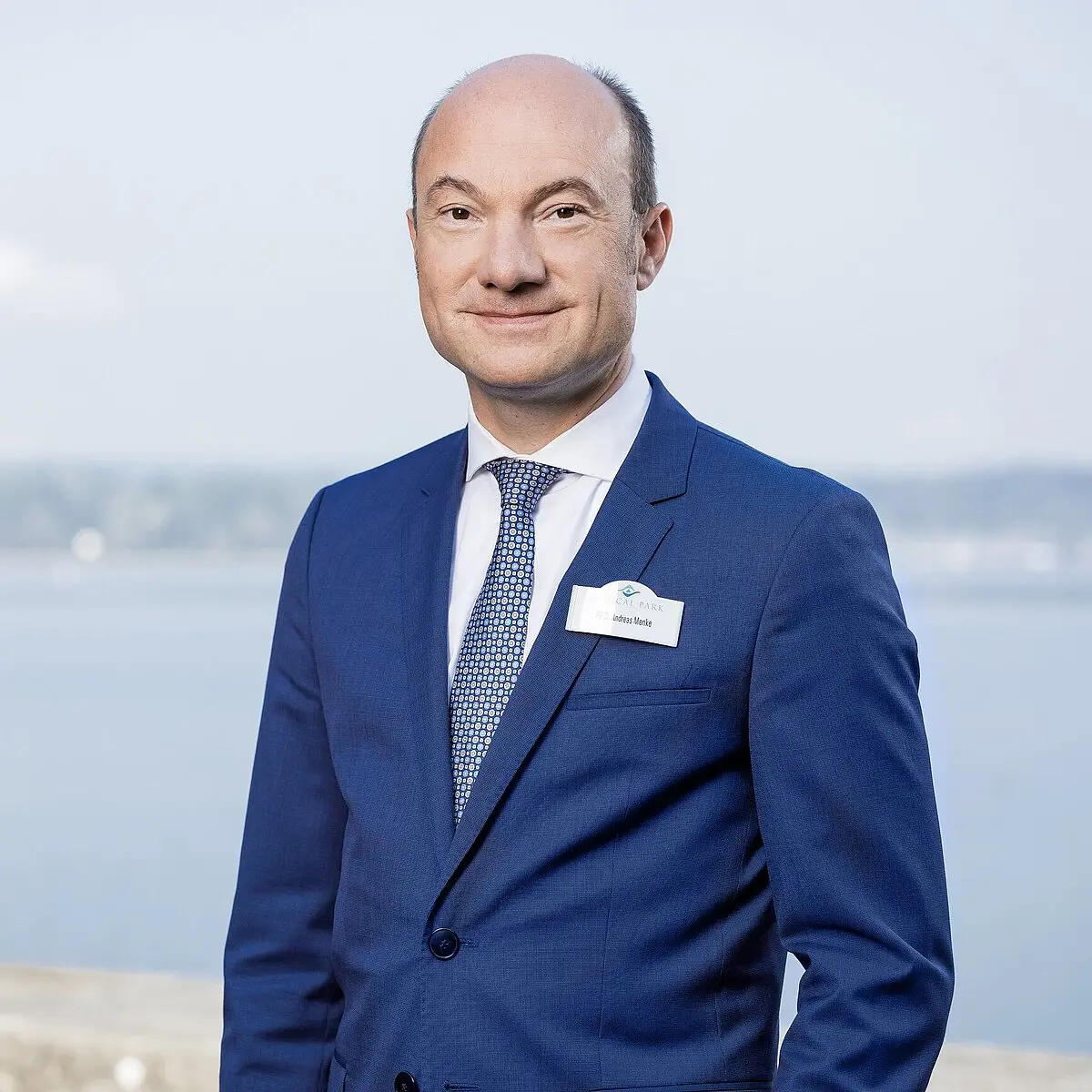
Prof. Dr. Andreas Menke, medical director and specialist in psychiatry and psychotherapy at Medical Park Chiemseeblick, also sees a medically relevant reason for the revival: "We have had good treatment options for depression with antidepressants since the 1950s. Compatibility has improved, but not significantly the effect and mechanisms."
Traditional medications do work, but only after four to six weeks and not at all in one-third of all patients. Psychedelics could fill this gap quite well, says Menke.
Psilocybin therapy: Clinical studies in Germany
Currently, clinical studies on psilocybin are also being conducted in Germany, for example at the Berlin Charité and the Mannheim Central Institute for Mental Health. The aim of the research: to enable a legal and safe medical application for the treatment of treatment-resistant depression. The first results are encouraging, suggesting that the treatment will be approved by the FDA and EMA in the coming years.