© PMC
Services
Modern medicine with heart
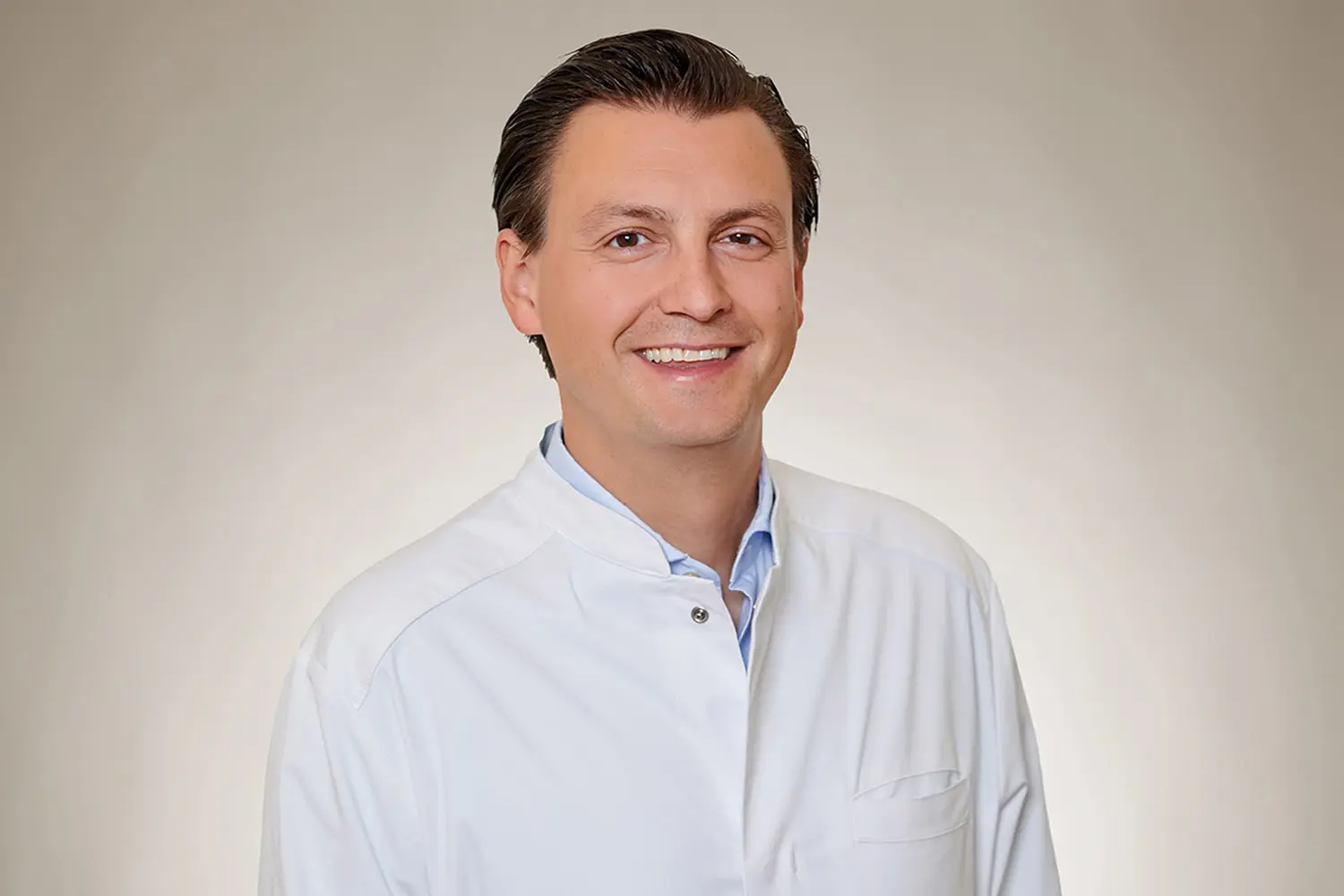
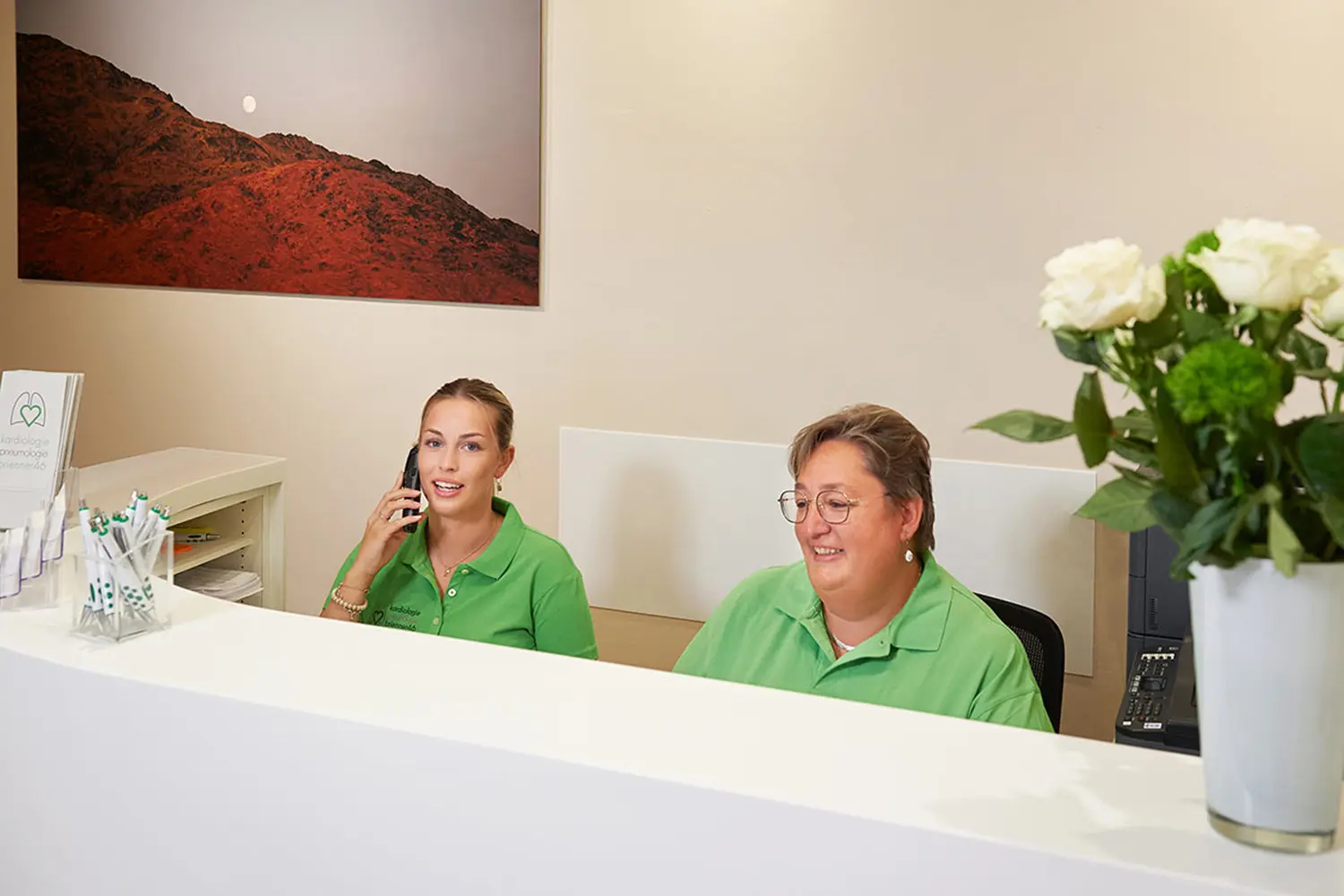
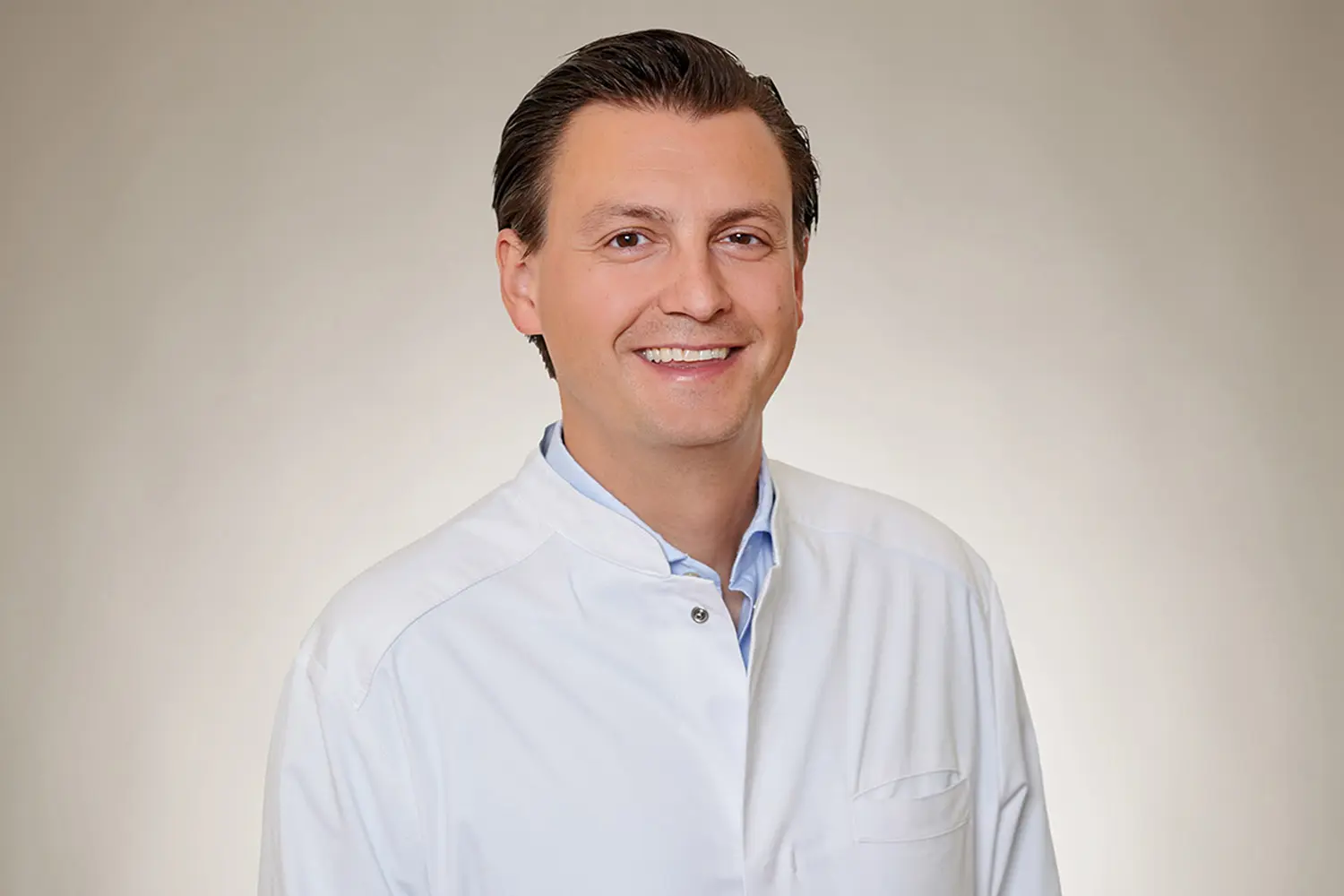
In the courtyard of an old building on the Munich Briennerstraße, just a stone's throw from the bustling activity around Augustenstraße, a space of tranquility opens up: the cardiology group practice brienner46 by Priv.-Doz. Dr. Alexander Goedel. A small oasis in the middle of the city – with plenty of light, the most modern equipment and a clear medical stance: Anyone who comes here should feel well cared for both professionally and personally.
“I believe what sets us apart is the combination of academic medicine at the highest level and genuine care,” says Dr. Goedel. And he still feels committed to science today. His study of human medicine already led him to academic top addresses like the TU Munich, Weill Cornell Medical College in New York, and Hong Kong University. Subsequently, he worked for several years at the renowned Karolinska Institute in Stockholm, including with Kenneth Chien – one of the co-founders of Moderna. He is still involved in teaching and research at TU Munich today, also advising for a biotech company in the field of cell and mRNA-based therapies in the cardiology.
© PMC
In the courtyard of an old building on Munich's Briennerstraße, a space of tranquility opens up: the cardiology group practice brienner46 by Priv.-Doz. Dr. Alexander Goedel.
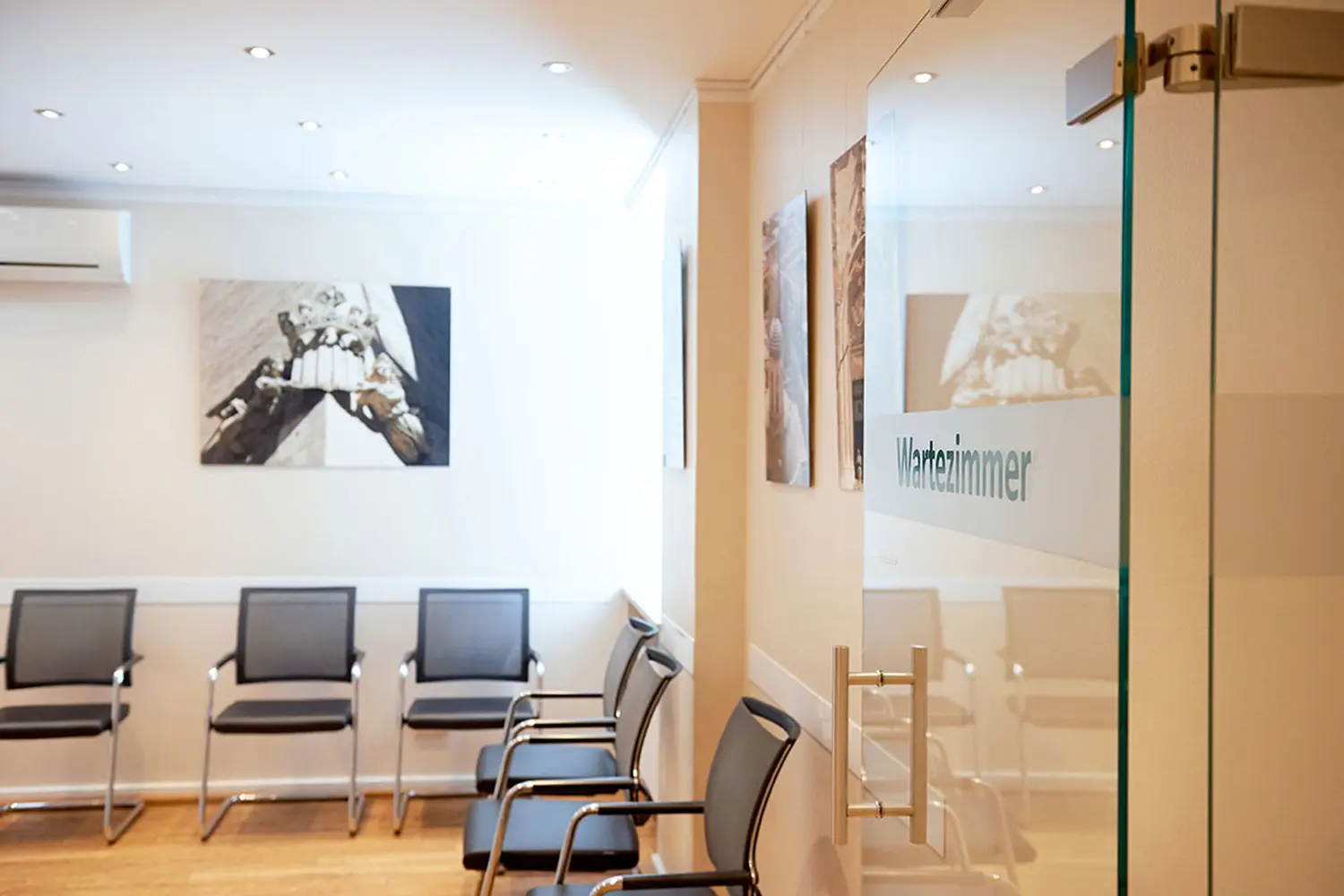
© PMC
A small oasis in the middle of the city – with plenty of light, state-of-the-art equipment, and a clear medical approach: ...
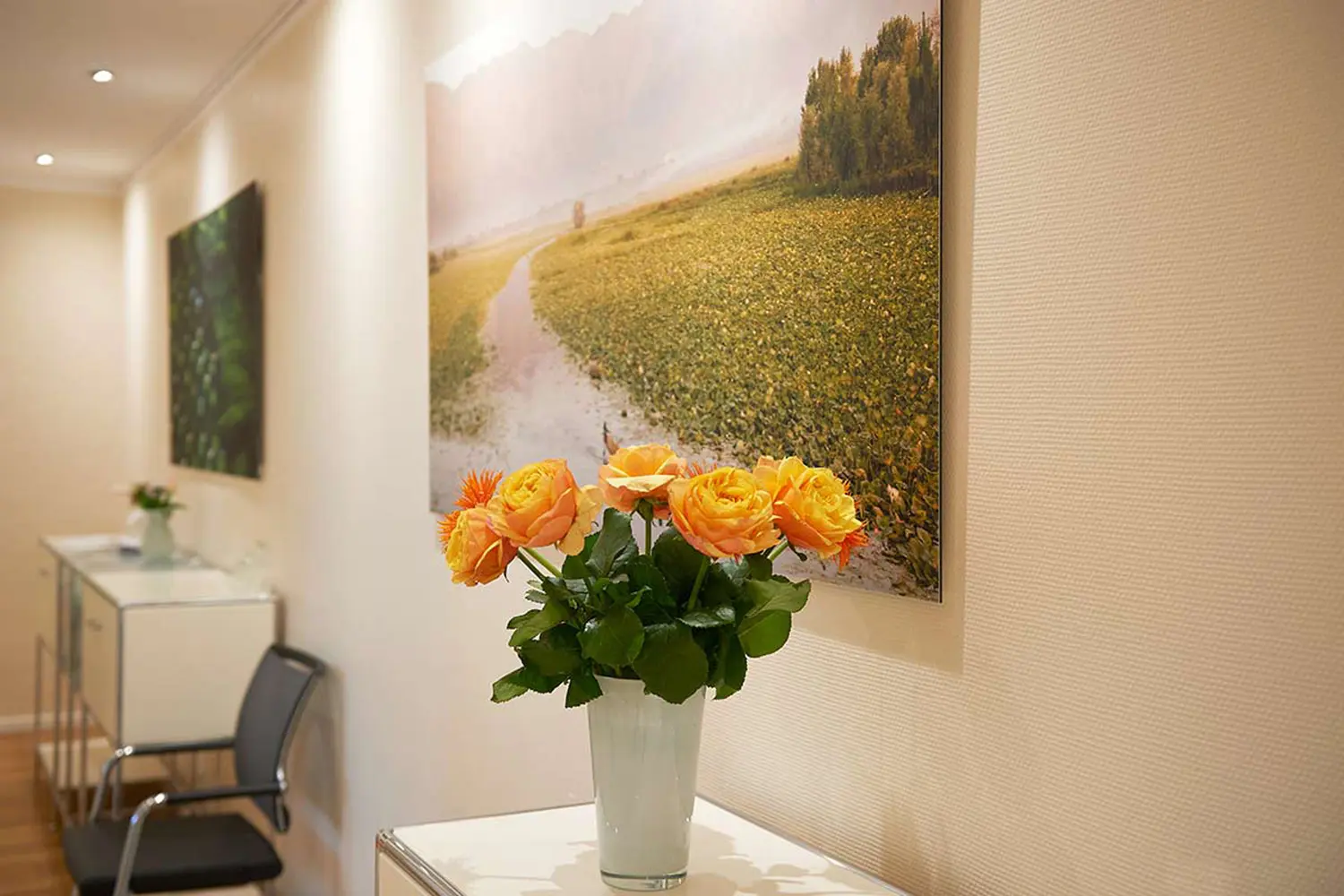
© PMC
... Anyone who comes here should feel well taken care of both professionally and personally.
© PMC
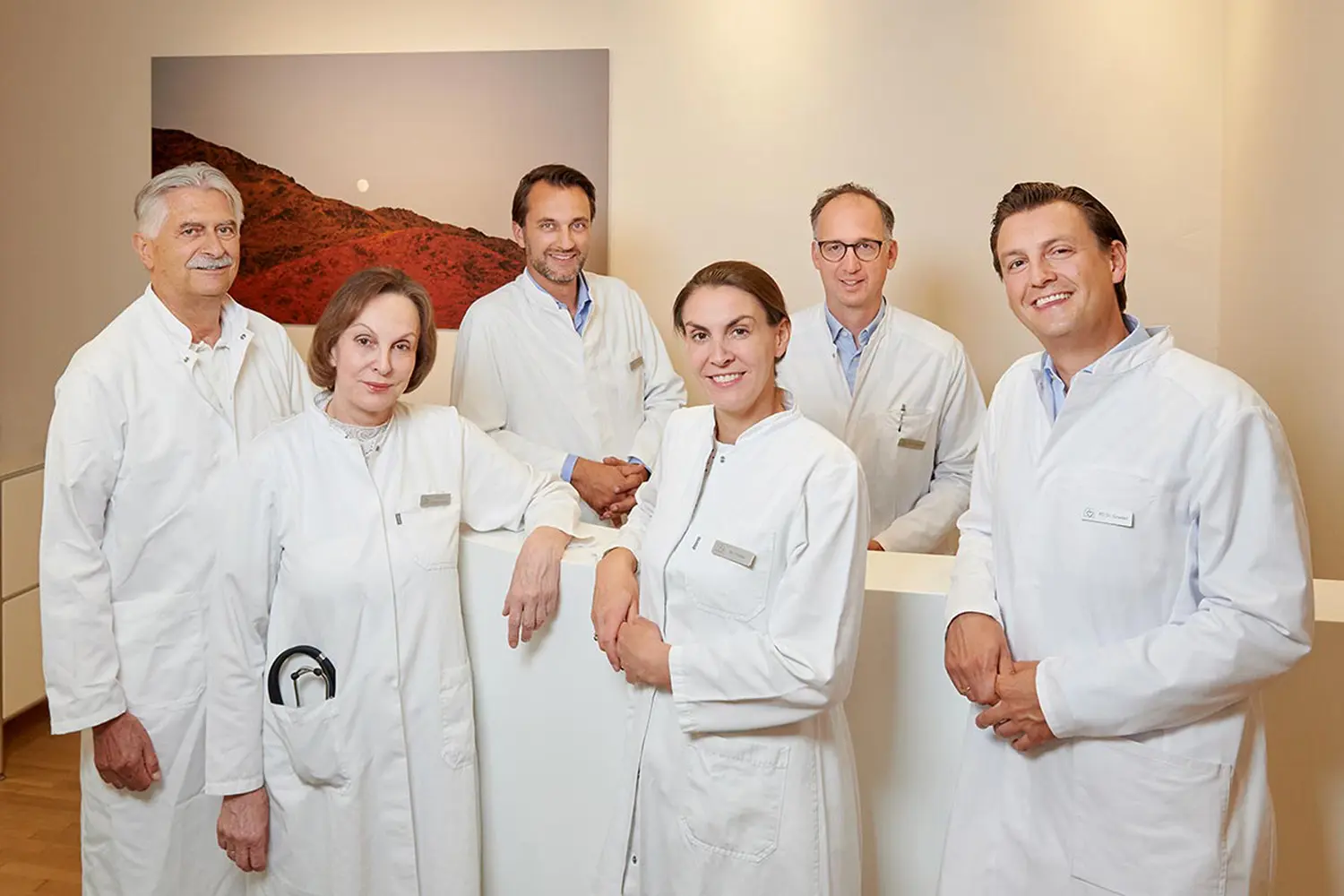
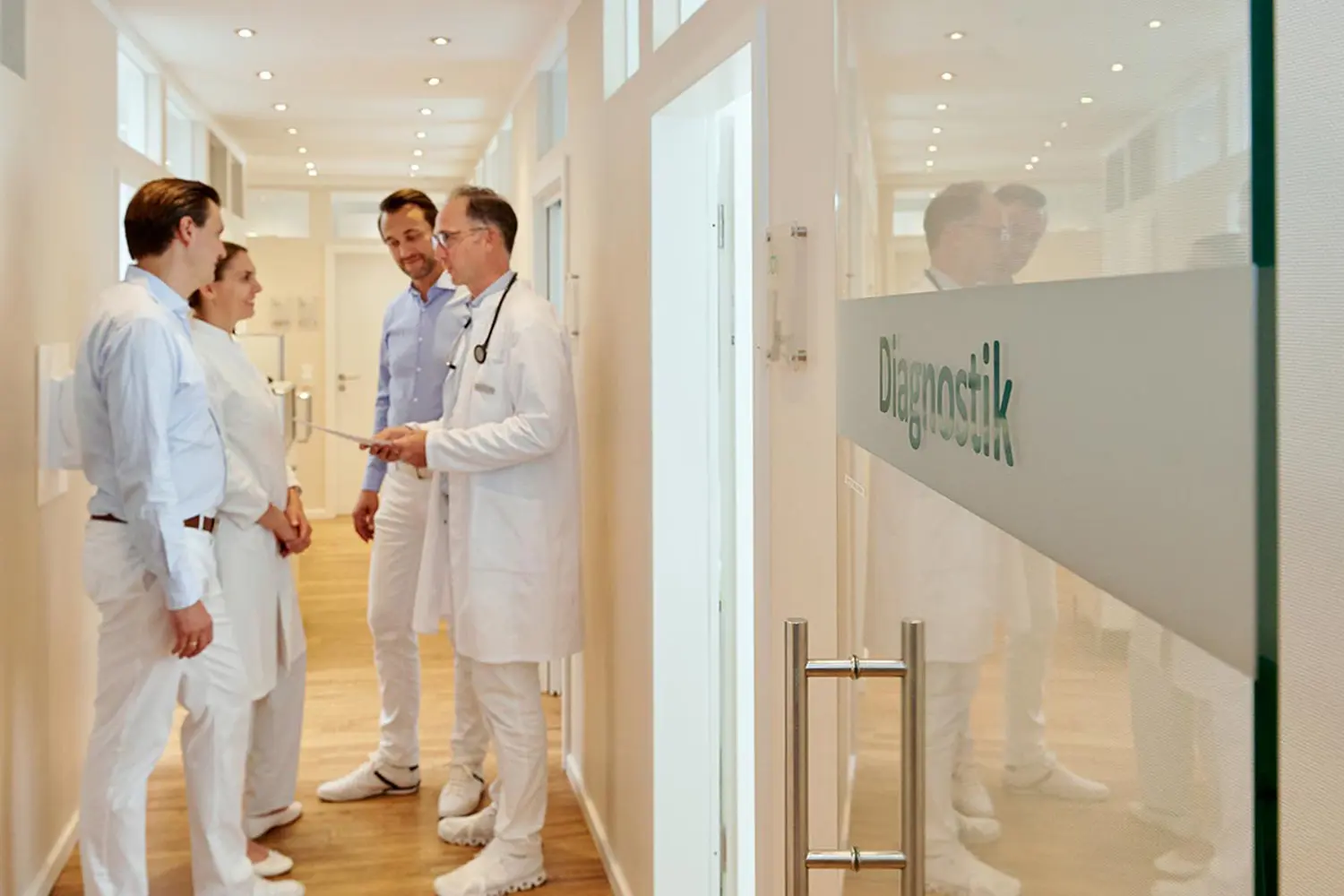
As a group practice, the team combines broad expertise.
© PMC
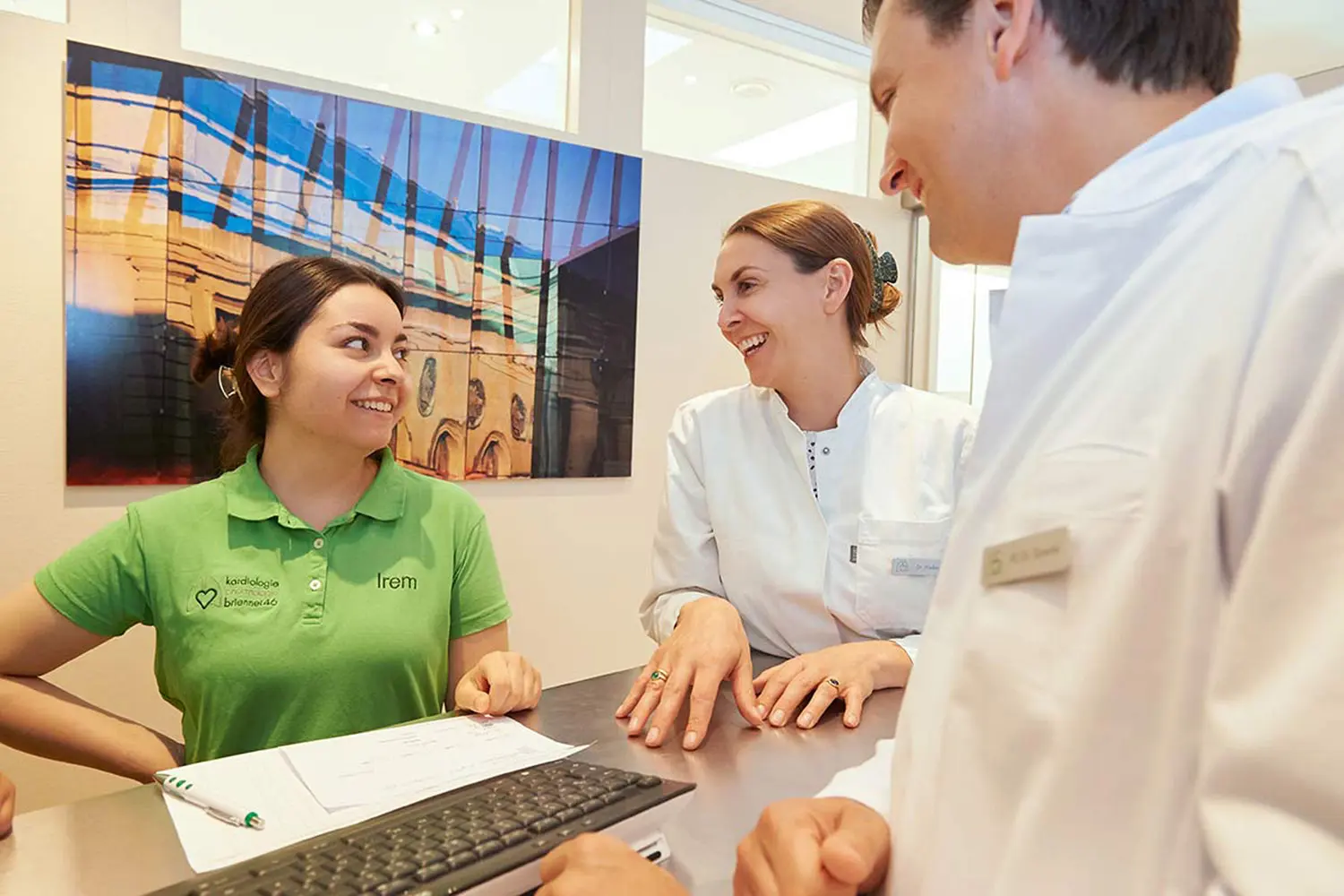
In total, there are 13 doctors and about 23 medical assistants.
© PMC
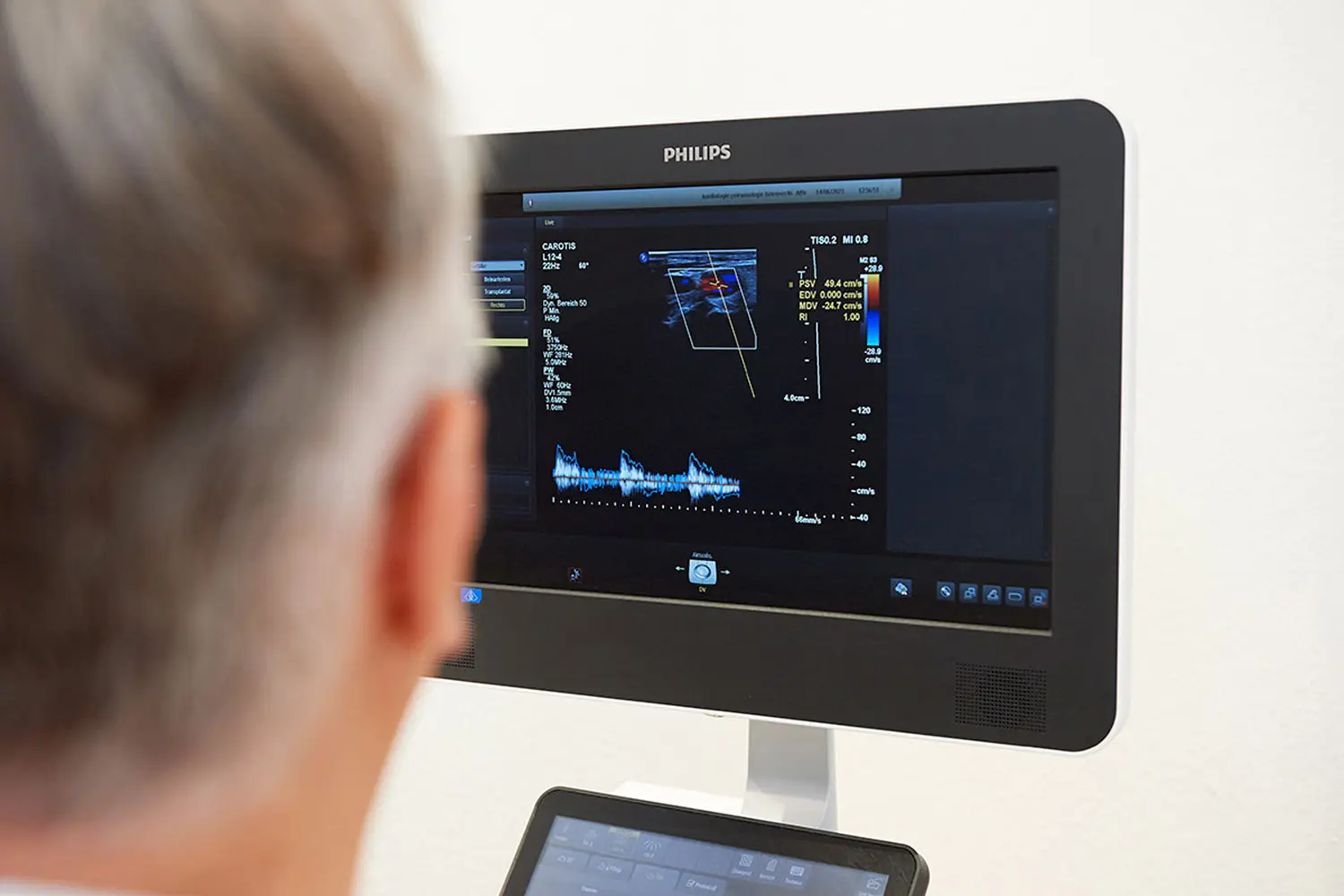
The practice places great emphasis on comprehensive diagnostics—from modern echocardiography to stress tests ...
© PMC
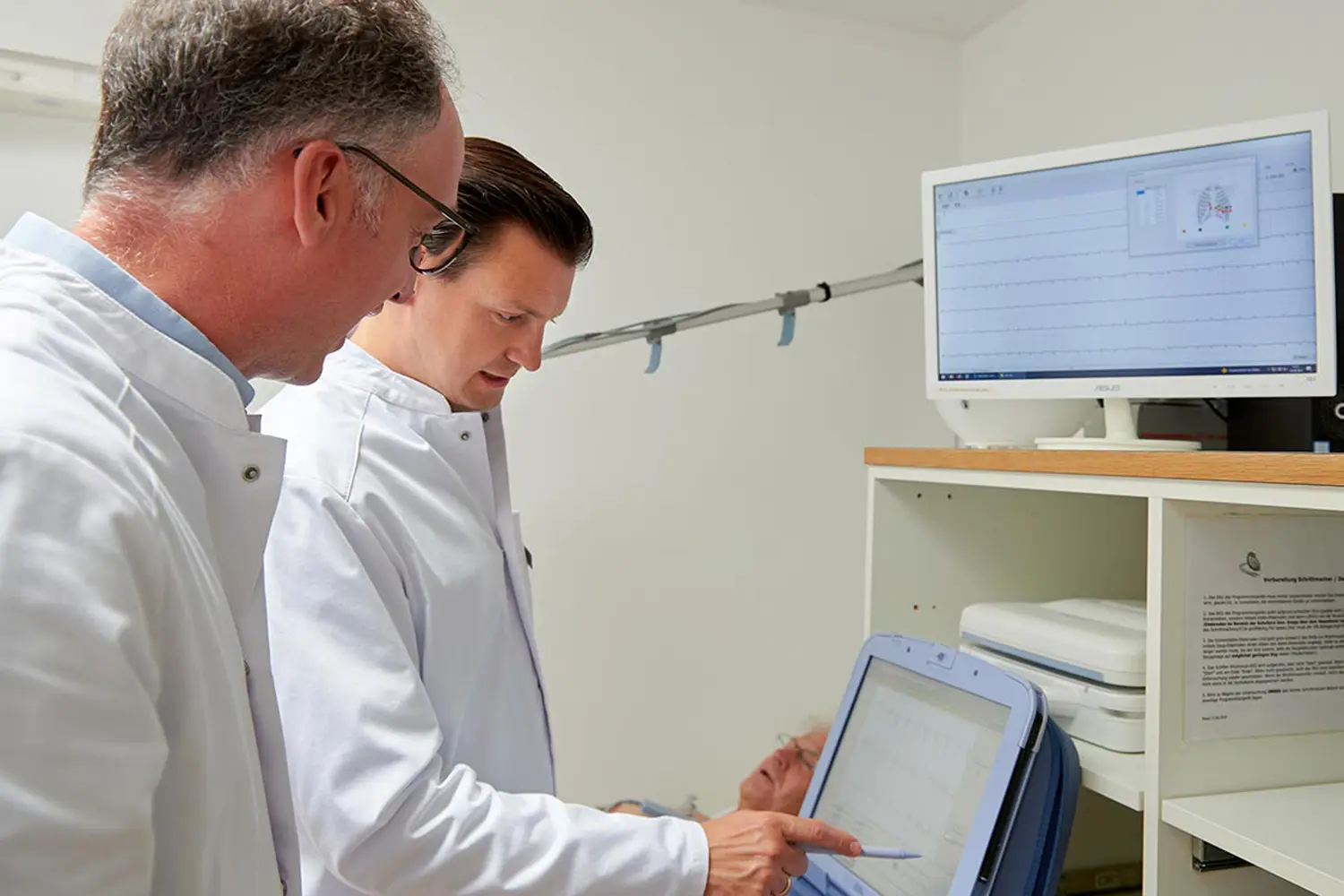
... and long-term ECGs up to pacemaker monitoring
© PMC
Despite all the high-end medicine, for Dr. Goedel and his team, the focus is always on the person.
But an exclusively academic career was not his goal. It was clear to him early on: "I want to be where the people are – in daily care. In conversation, in encounters."
The university affiliation, however, allows him and his colleagues access to all modern therapeutic procedures. One of the practice's focal points is prevention. Here lie the major levers, says Dr. Goedel. “More than half of all cardiovascular diseases would be preventable. Every person has their own genetic predisposition, but within this risk, one can move up or down. Through the early detection and treatment of high blood pressure, elevated cholesterol levels, and diabetes mellitus, one can significantly reduce one's own risk.” These three topics alone already account for 90 percent of prevention, according to the expert. And even if people feel they are doing “everything right,” they exercise, eat sensibly, don't smoke, a genetically unfavorable constellation can ensure that you are in a high-risk area without knowing it. "You should know your cardiovascular risk and know where your weaknesses lie, in order to specifically address them," Dr. Goedel advises everyone.
That's why the practice places great emphasis on comprehensive diagnostics - from modern echocardiography to stress tests and long-term ECGs to pacemaker control - without performing invasive procedures themselves. "That is a conscious decision. We want to advise appropriately and independently. For interventions, we work with a proven network of highly specialized clinics."
"I want to be where the people are – in daily care. In conversation, in encounters."
Priv.-Doz. Dr. Alexander Goedel
As a group practice, the team combines broad expertise. And that is also a family matter: His mother, Prof. Dr. Liselotte Goedel-Meinen, also a cardiologist and internist, built the practice parallel to her work as a senior physician, among others at the German Heart Center in Munich, together with Dr. Dietrich Loos. And his sister, Dr. Julia Hieber, is also jointly working here with the other partners Dr. Fabian Michalk and Prof. Dr. Nikolaus Sarafoff as a cardiologist. In total, there are 13 doctors and around 23 medical staff. "We regularly discuss complex cases as a team - this significantly improves the care of our patients."
The practice also includes a pneumological unit - a real plus, since many symptoms like shortness of breath can originate both from the heart and the lungs. The interdisciplinary approach ensures that nothing is overlooked.
Despite all the high-end medicine, Dr. Goedel and his team always focus on the person: "We perceive our patients not only as a disease picture, but in their entirety - with their history, their concerns, their life reality." It starts with the first impression: clear structures, respectful interaction, empathetic care. But it goes even deeper: for example, the question of which therapy suits the person and their life. "Shared Decision Making" is the principle: Decisions are explained in a well-founded and understandable manner and then made together. This also takes away people's fear of modern medicine. And: "Especially in prevention, there is often no right or wrong. It is always a trade-off. And we help patients make the best decision for their life."
"We do not only perceive our patients as a clinical picture but in their entirety."
Priv.-Doz. Dr. Alexander Goedel
Enough Sleep — and exercise in everyday life — would be a good start. And because the former field hockey player knows how difficult it is, Sport to integrate into a packed day, he advocates for small, realistic steps: “Bike to work, take the stairs instead of the elevator, get off the subway one station early and walk — these are also things that help in the long term.” But not just strolling, but walking briskly so you no longer enjoy chatting. That's more effective than going to the gym once a week and otherwise sitting at a desk. In general, the rule for sports — not only for re-starters in middle age: One should undergo a cardiac examination and know one’s cardiovascular risk, especially before intense physical exertion, to avoid putting oneself in danger.
What drives him? “The interest in people. I believe that with good, humane medicine, you can sustainably positively influence the life paths of patients.”
Latest Articles
- Kardiovaskuläre Medizin
- Health
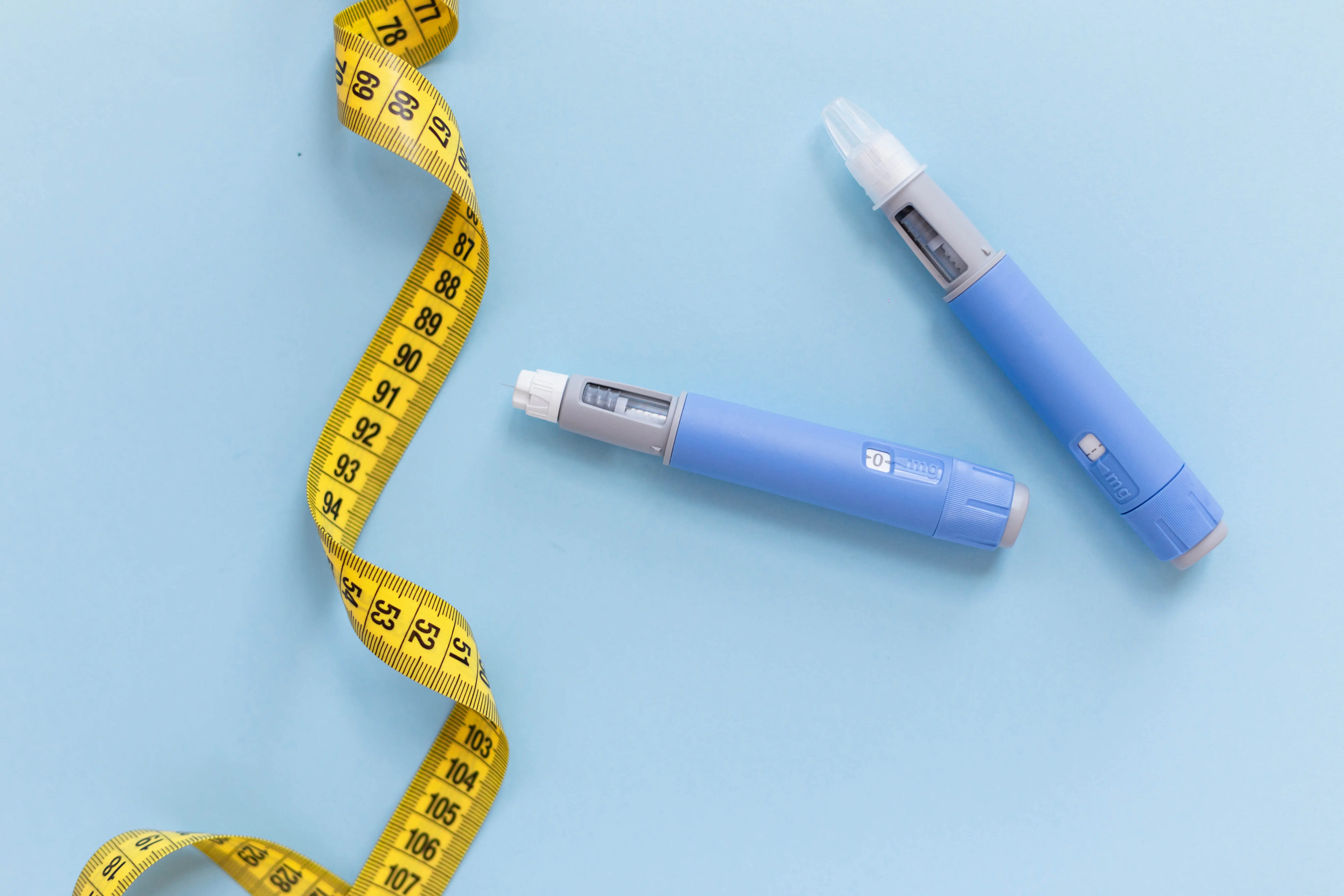
GLP-1-Medikamente: Wirkung, Risiken & warum Bewegung entscheidend bleibt
Kardiologe PD Dr. Alexander Goedel über den aktuellen Stand der GLP-1-Forschung – und warum das Fahrrad am Ende doch nicht ersetzt werden kann
PMC Redaktion
With
Priv.-Doz. Dr. Alexander Goedel
- Kardiovaskuläre Medizin
- Podcast
- Health
Unser Herz – und wie wir es schützen
"Feel good, live better" – der Health Podcast von Premium Medical Circle. In dieser Episode klärt Dr. Alexander Goedel auf, was jeder für seine Herzgesundheit tun kann
Christine Bürg
An interview with
Priv.-Doz. Dr. Alexander Goedel