© PMC
- Hamburg und Norddeutschland
- Hamburg und Norddeutschland
- Modern Ophthalmology
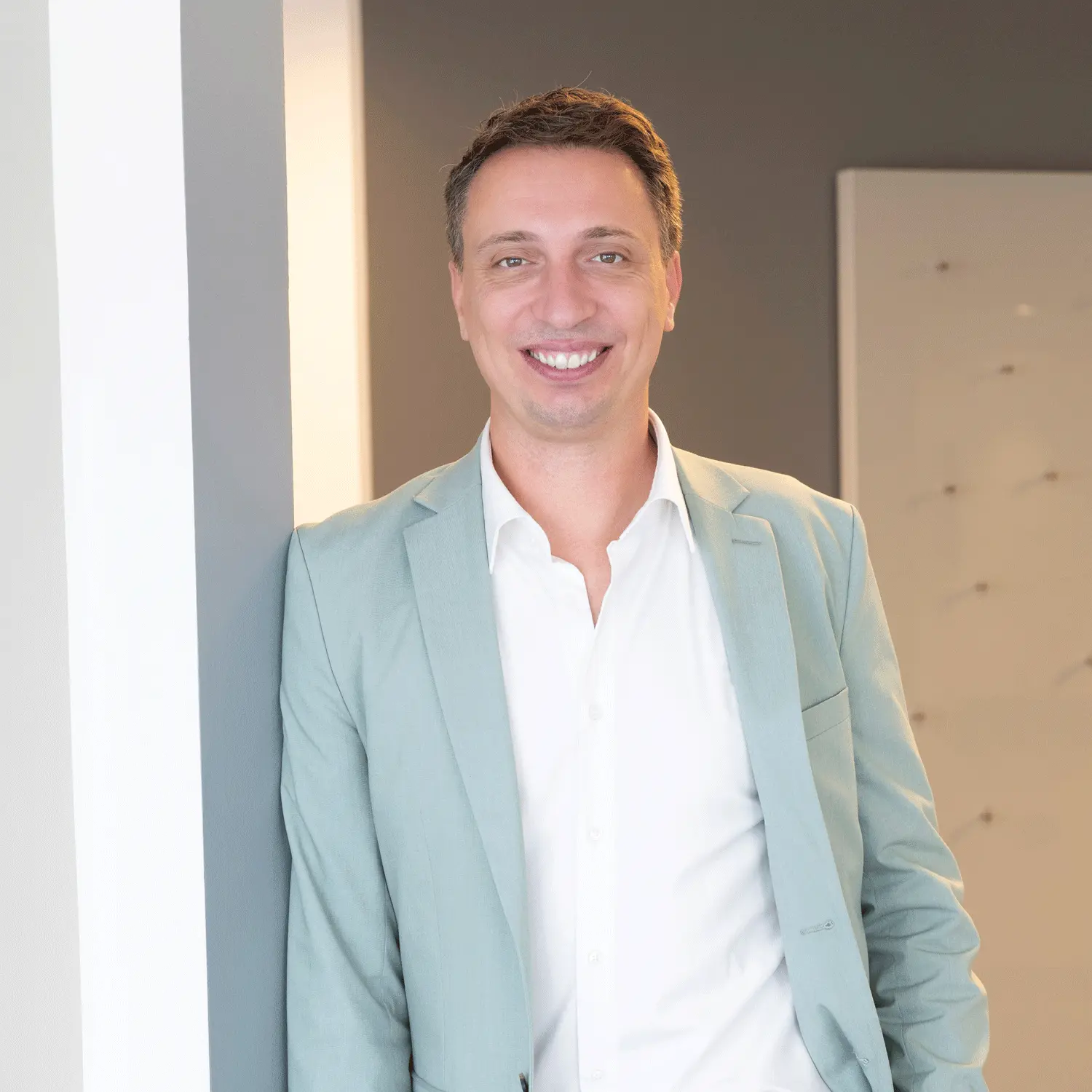
Priv.-Doz. Dr. med. Johannes Gonnermann
AugenCentrum am Rothenbaum and AugenCentrum Hamburg West
Services
In Blankenese, perhaps the most beautiful district of Hamburg, you meet an ophthalmologist who sharpens people's vision, whether young or old. Within walking distance of the famous Treppenviertel, directly at Blankenese station, is the AugenCentrum Hamburg West. There, Priv.-Doz. Dr. Johannes Gonnermann pursues his medical passion. Since 2024, he has also been working at a second location, the AugenCentrum am Rothenbaum, centrally located on Rothenbaumchaussee. Both practices stand for the highest medical quality, the latest technology, and individual care.
Dr. Gonnermann's enthusiasm for medicine was sparked early on. His grandfather and father are urologists. With a degree from the renowned Charité Universitätsmedizin Berlin and two Erasmus study years in France and Switzerland, he pursued this path intensively. The ophthalmology only caught the dedicated student's eye at the end of his studies. "I realized that this small, surgical specialty, which can be pursued both in a clinic and in a private practice, precisely meets my medical standards," said Dr. Gonnermann. "In no other medical field can you see the positive results of a procedure as quickly as in ophthalmology. And on top of that, there are hardly any more satisfied patients."
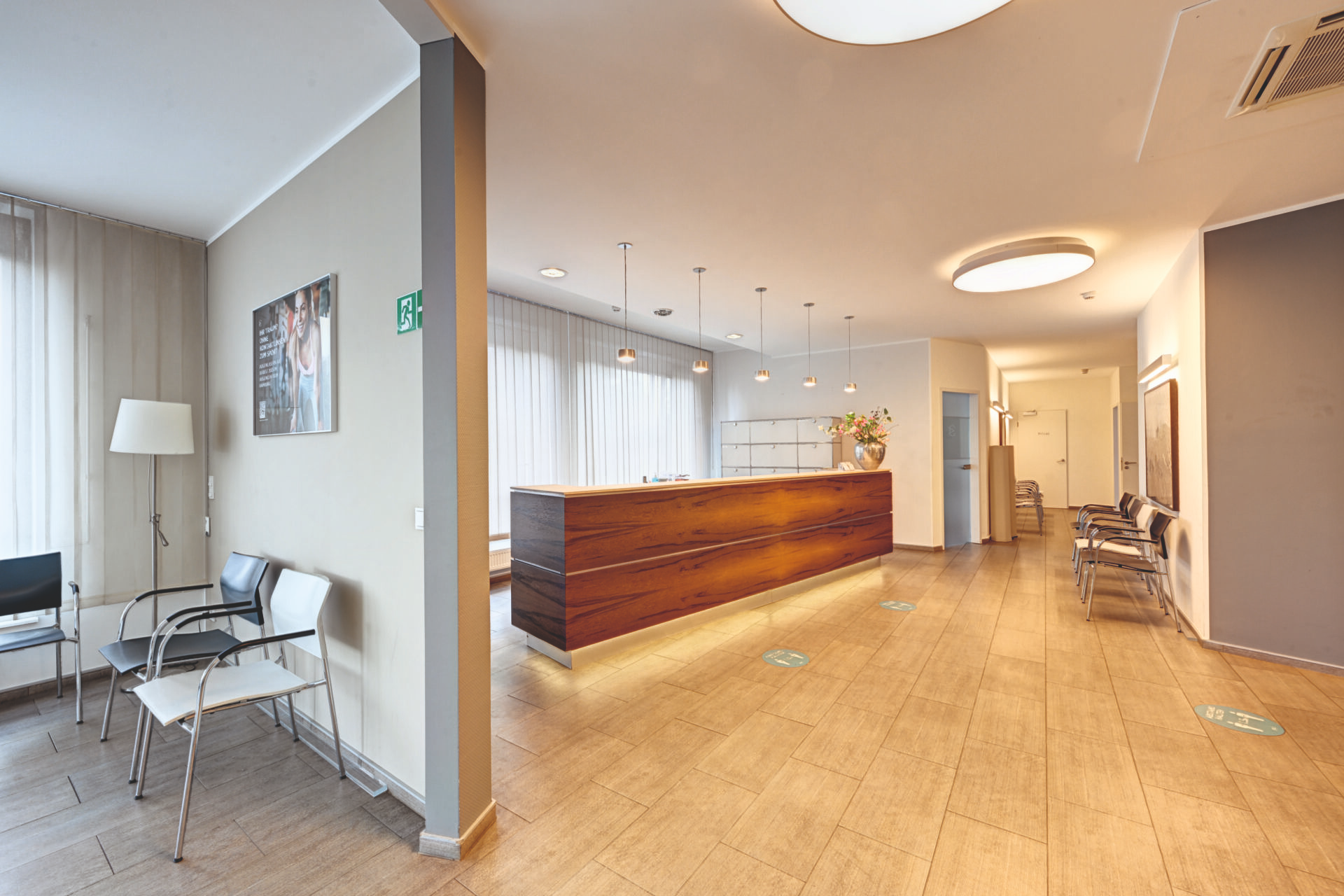
Beautiful wood, light, and glass – The reception area as well as the waiting room are bright and welcoming.
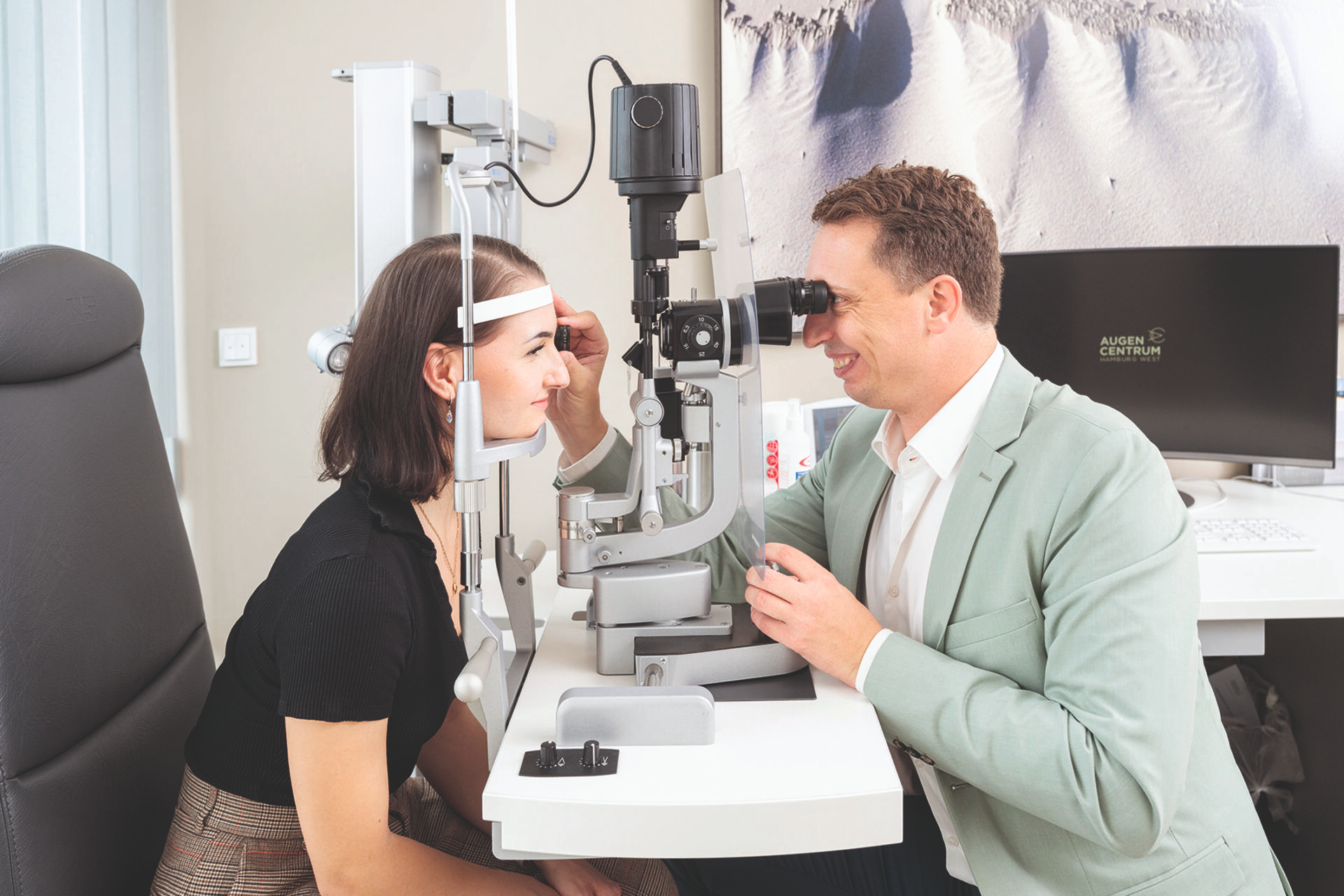
Laser patients also get perfect vision with Dr. Gonnermann.
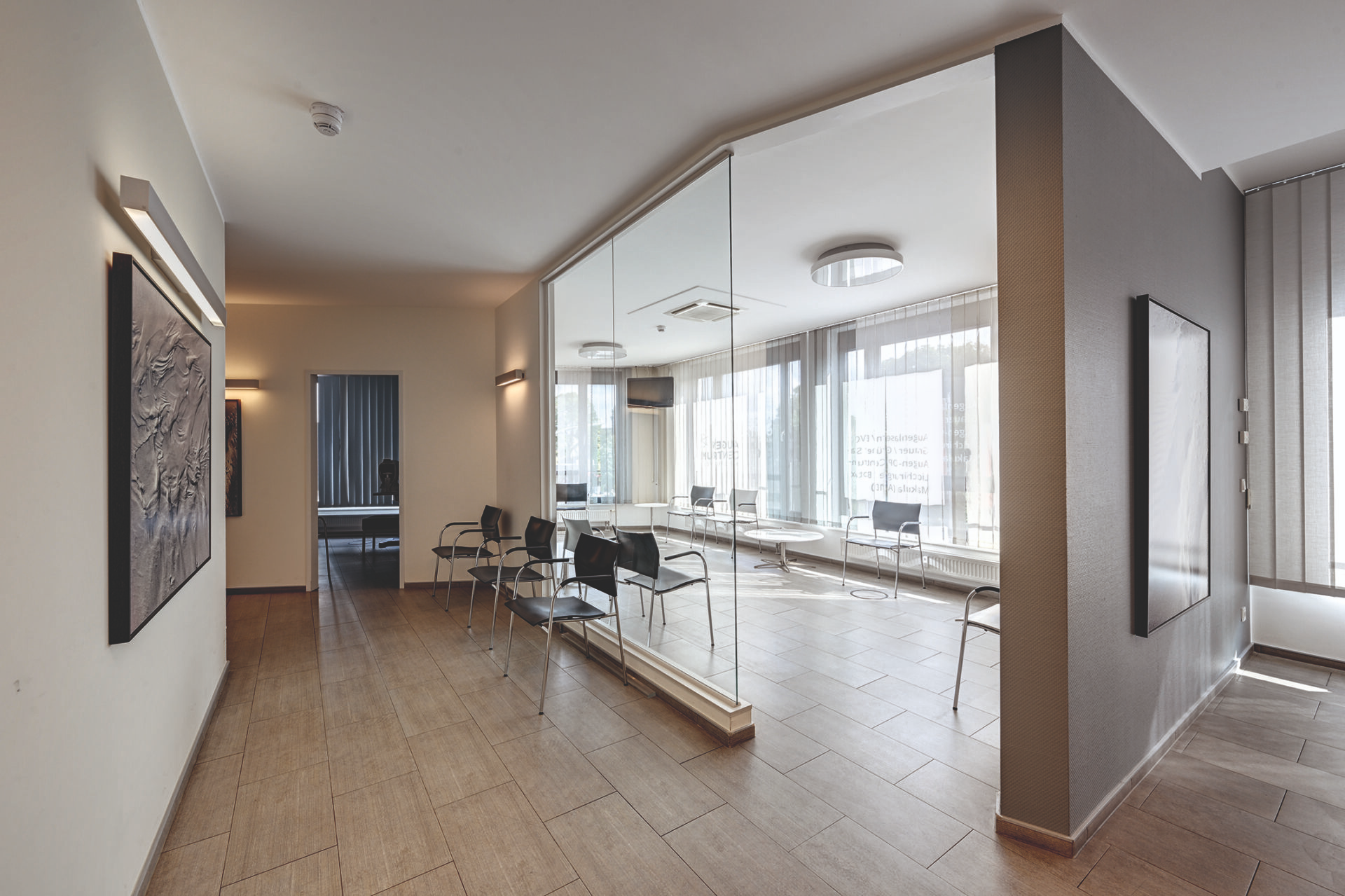
Beautiful woods, light, and glass – The reception area and the waiting room are bright and friendly.
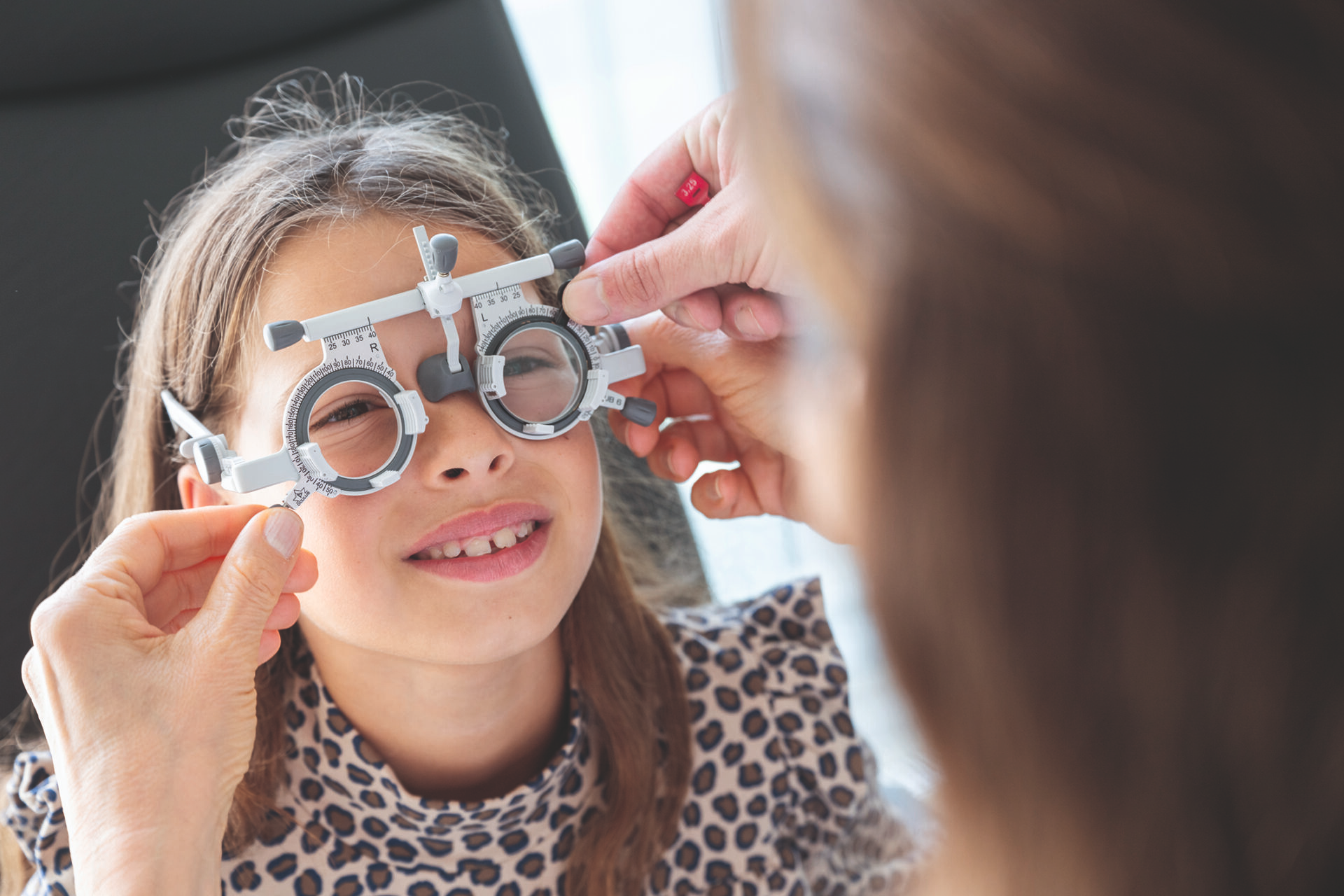
Pediatric ophthalmology is an important field of activity.
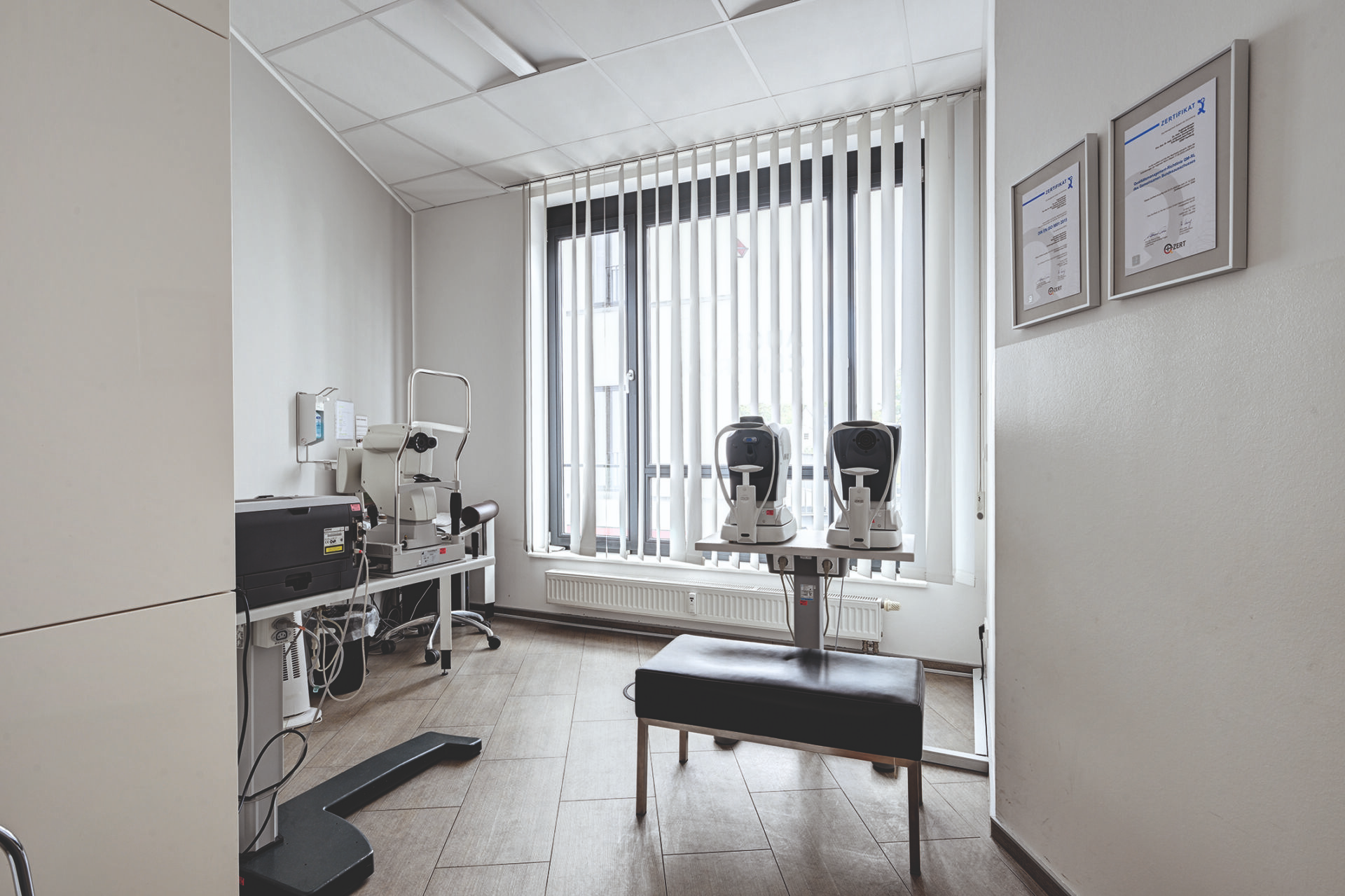
Work is done with the most modern equipment.
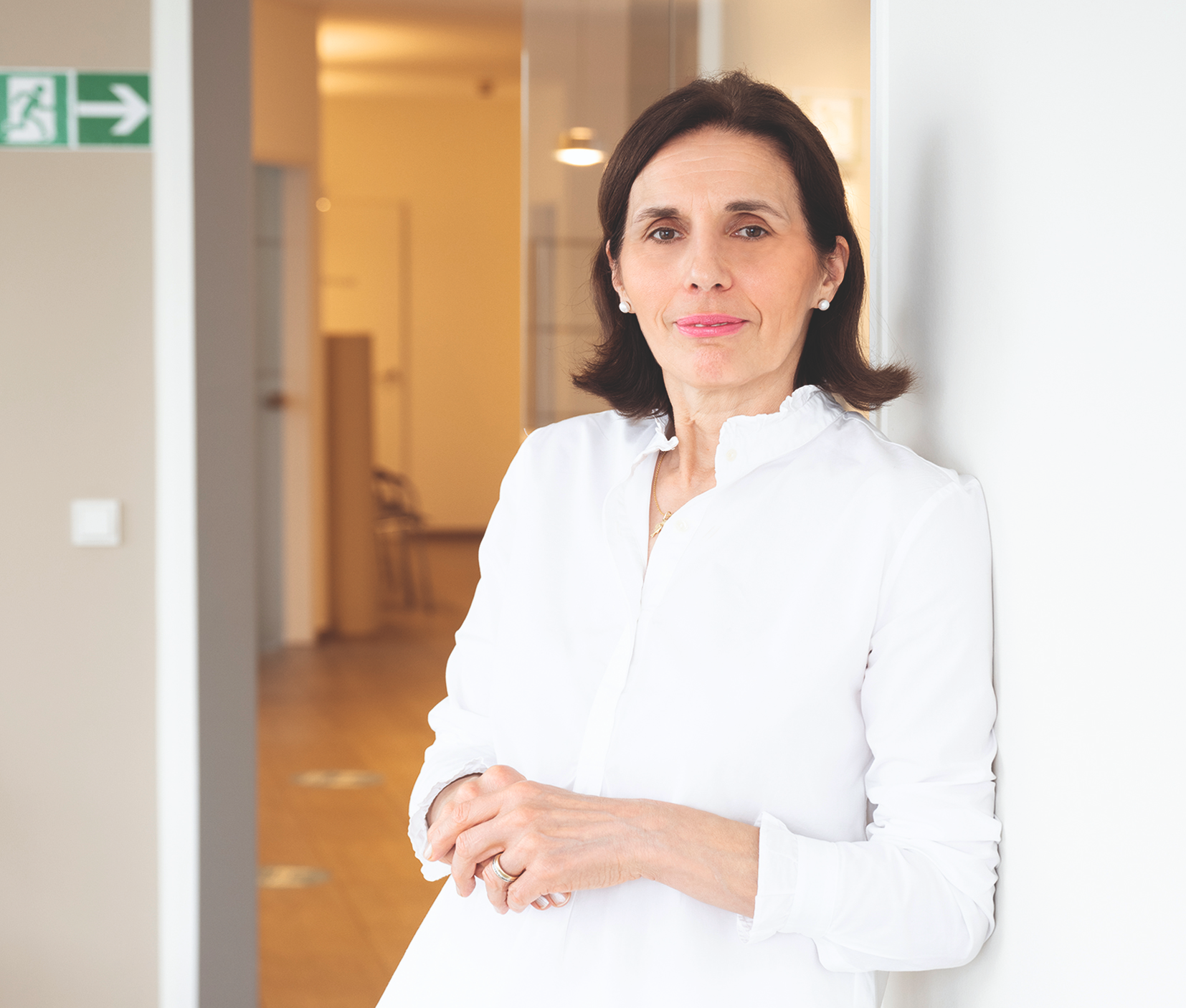
Dr. med. Renata Krüger
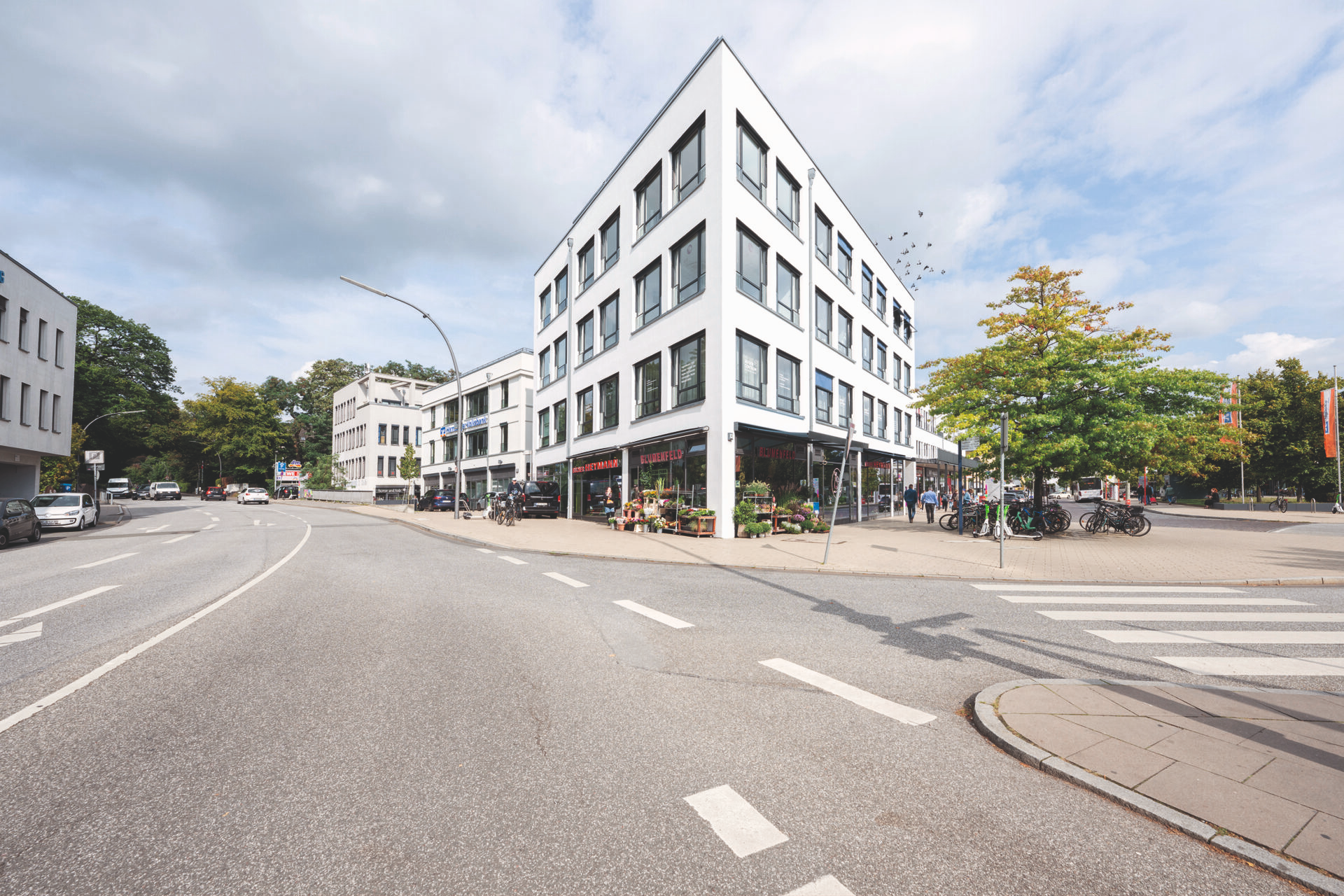
The ophthalmologist's practice in Blankenese
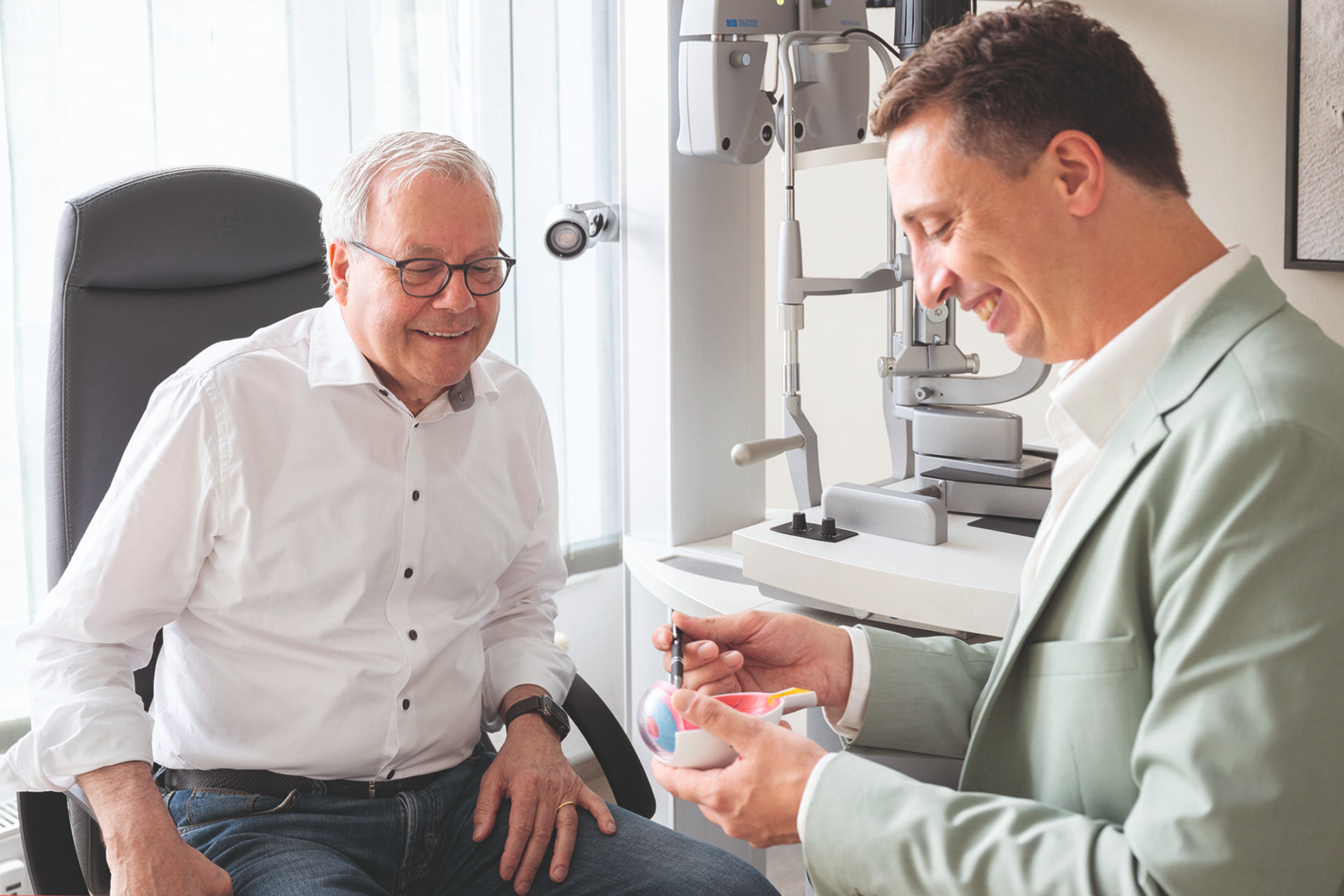
The detailed consultation is a special concern for the dedicated doctor.
Clear vision – at two locations in Hamburg
If you ask Dr. Gonnermann about his specialty, it is refractive cornea- and lens surgery, especially working with modern artificial lenses. He also qualified in this field at the Berlin Charité. For him, lens operations are the new Lasers. Almost every year, new premium lenses with innovative technologies come onto the market that can correct almost every visual impairment. Thus, there is a growing need to permanently correct presbyopia, which he prefers to call "mature vision," as well as freedom from glasses with lenses.
Choosing the right lens model is essential for a perfect result. In detailed consultations, it is discussed with each patient which lens is individually best suited or if there are limitations such as macular degeneration or glare phenomena. Expectations also play a major role. Those who do not feel comfortable with the idea of completely replacing the body's own lens with an artificial one can opt for the implantable contact lens. This is inserted into the eye in addition to the natural lens and lasts a lifetime.
"In ophthalmology, they ensure quick, positive results."
Priv.-Doz. Dr. med. Johannes Gonnermann
Brand new is "EVO Viva ICL," a biocompatible Collamer lens that works with the natural lens, is removable if necessary, and corrects not only presbyopia but also distance vision . "These implants could set a milestone in the treatment of presbyopia," says the doctor, who is a recognized expert on the Visian ICL expert panel.
In general, Dr. Gonnermann spends a lot of time in the operating room. He has already performed around 30,000 eye surgeries. Starting at the University Eye Clinic of the Heinrich Heine University in Düsseldorf, through six years at the Charité Berlin, to working as the Medical Director at EuroEyes in Hamburg. In March 2020, the native of Blankenese returned to his neighborhood, where he, together with Dr. med. Renata Krüger, leads the ophthalmologist practice at Blankenese station. Since 2024, the Eye Center at Rothenbaum complements the offer. This location is particularly attractive for patients from the city center and southern Hamburg.
"Many patients report an improved quality of life thanks to freedom from glasses."
Priv.-Doz. Dr. med. Johannes Gonnermann
At Rothenbaum, Dr. Gonnermann works with Priv.-Doz. Dr. med. Tim Schultz. Both doctors are among the most experienced high-volume surgeons in Germany and perform several thousand refractive procedures annually. The practice offers the entire spectrum of modern ophthalmology – in addition to general eye treatments, modern methods of eye laser surgery like SMILE® pro, Femto-LASIK, and (No-Touch-Trans-)PRK are offered. Lens treatments with implantable contact lenses and multifocal premium lenses are also part of the specialty of the Eye Center at Rothenbaum.
Both practices impress with an elegant, barrier-free room concept, the latest technology, and an empathetic team. The Eye Center Hamburg West is one of the largest children's eye clinics the city and offers alongside the orthoptic clinic also strabismus surgery. From infants to grandparents – the whole family is cared for here. And with the best possible treatment concept.